
Septic tank risers tend to be ignored by homeowners when it comes time to maintain septic systems. These small, yet vital components provide convenient access points to the septic tank, making regular inspections, pumping and maintenance tasks a lot easier. Installing risers to your septic system will eliminate the necessity of digging up the ground every time you pump. In addition to saving time, but your landscape will also be less disturbed. Septic tank risers can also reduce the possibility of accidents or injuries that might result from maintenance work since they provide a secure and easy entry point to the tank.
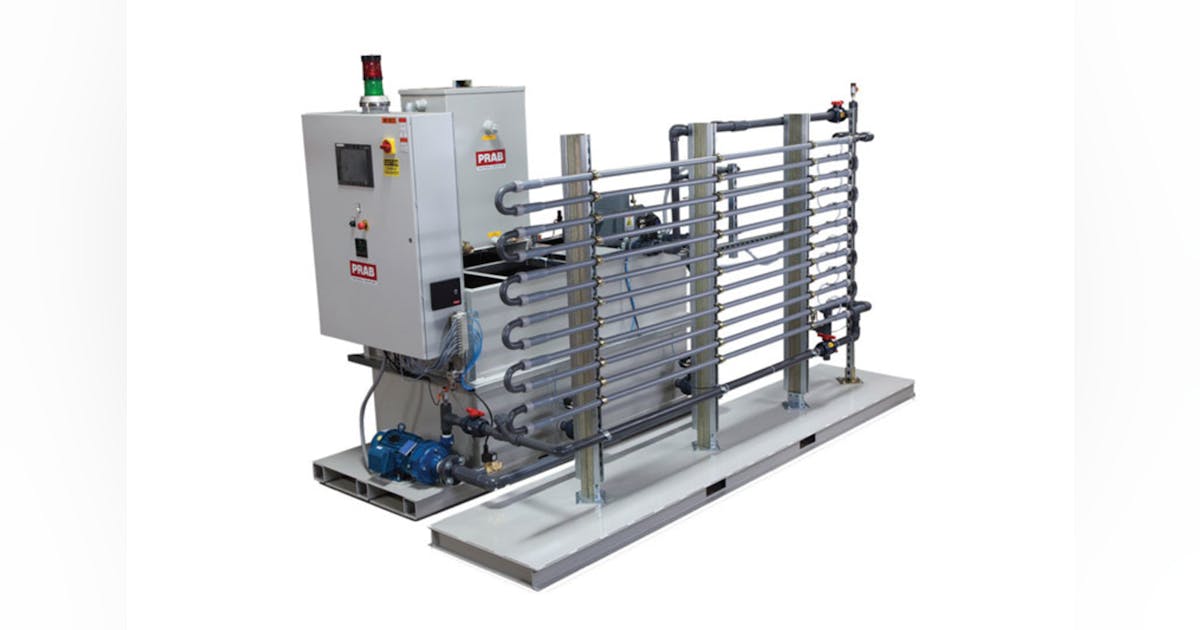
A septic tank that is healthy is maintained by controlling the effluent. Effluent is a liquid waste that drains from septic tanks into the drain fields for further treatment. It’s composed of water, bacteria and organic matter. As time passes, the solid particles in the effluent will get trapped in the bottom of the tank and create layers of sludge. If not taken care of promptly, this sludge could accumulate and clog the system, causing backups, foul odors, and even destruction to the drainage field. Regularly scheduled pumping and control of effluent ensures that the tanks run efficiently, avoiding blockages and prolonging their lives.
The proper drainage of the septic tank is vital to its functionality. When wastewater leaves your home and enters the septic tank, it undergoes a natural separation process. Solid waste is deposited on the tank’s bottom, while lighter oils and other substances can float to the top, forming the scum layer. The effluent (the liquid remaining within the tank) leaves and flows into the drain field to be filtered and taken up by the soil. A properly-designed drainage system allows effluent to flow smoothly, preventing back-ups and flooding. It is essential to ensure that the drainage pipes are free of dirt, roots and other obstructions that could cause obstruction to the effluent. Regular inspections and maintenance of the drainage system may stop costly repairs and environmental contamination.
It is essential to make the right decision for your home’s septic tank. This decision can have a lasting impact on your property’s efficiency and sanitation. Before you make a choice you need to take into consideration the following factors. Consider the dimensions of your septic system based on the typical water consumption of your household, as well as the number residents. For a large family or property with frequent guests, a larger tank will be required. In addition, you must consider the tank’s material. Concrete, fiberglass and plastic are all common options. Each material has advantages and disadvantages when it comes to their durability, price and maintenance. Be sure to check the regulations and requirements set by your local authorities concerning the installation of septic tanks. It is essential to select an septic tank that is compliant with required standards and is in compliance with the guidelines of any specific type.
Finally, you should consult an expert septic system installer who will assess your home’s needs and provide you with expert recommendations that are based on soil conditions and topography. If you take your time in evaluating these elements, you can choose the right septic tank that best suits your home’s requirements and provides a secure and effective water management system.
To ensure a healthy and reliable system of septic, it’s crucial to ensure that the tank’s operation is properly maintained and is maintained. It also helps to install risers, and maintain an appropriate drainage. Septic tanks serve as the primary system of treatment for household wastewater, while the effluent management system ensures the secure disposal of treated liquid waste. Risers offer easy access to the septic tank, making maintenance tasks easier and safer. A properly-drained system allows for a smooth flow of effluent and prevents problems with the system. Homeowners can create a safe environment, safe, and sustainable living by prioritizing and observing these elements, as well as regular maintenance routines.