
In the fast-growing manufacturing industry, robotics are key to innovation and efficiency. Industrial robotics have revolutionized manufacturing, giving businesses numerous advantages that include improved efficiency, quality, and competitiveness. As the demand for automated solutions increases, manufacturing robots are playing an ever-growing part in determining the future of manufacturing.
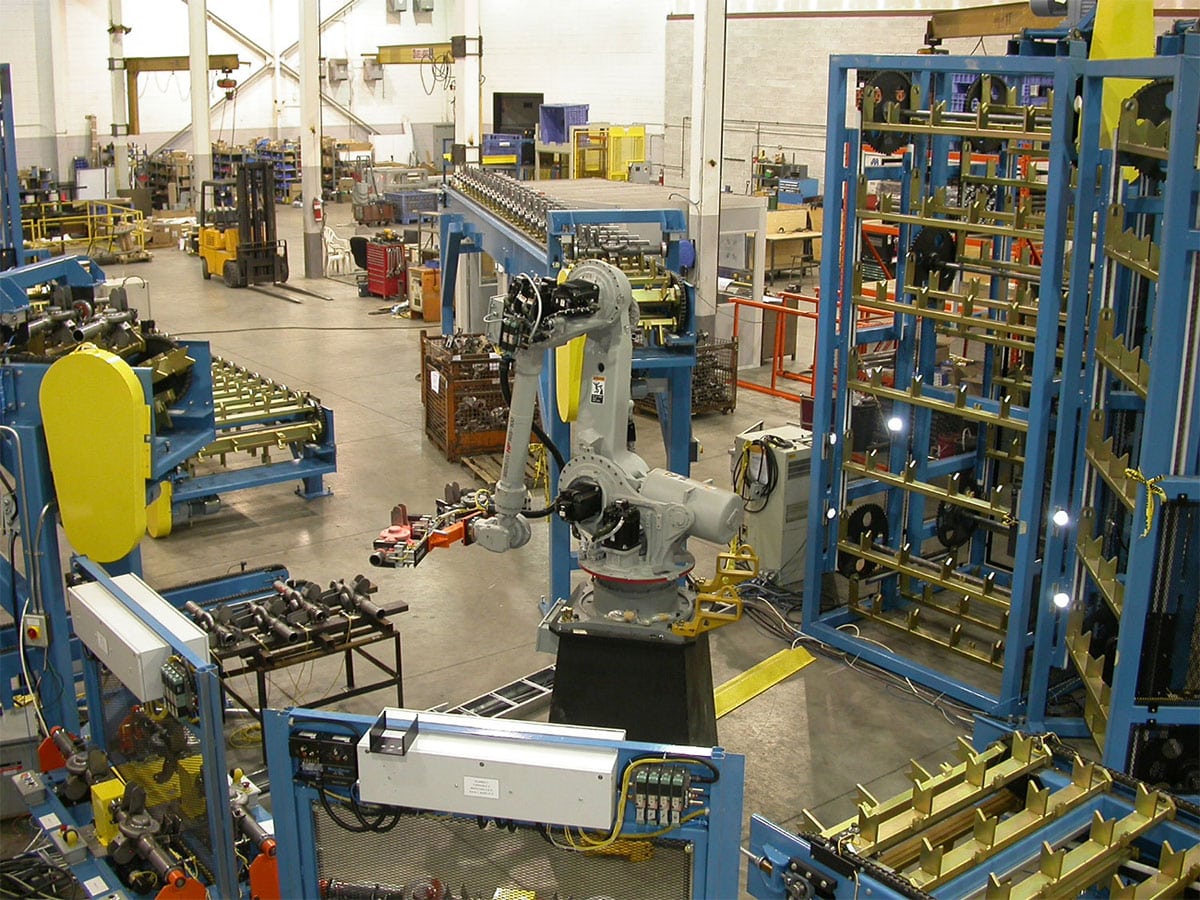
Manufacturing robots, sometimes referred to as industrial robots, are machines that are designed to complete different jobs within the manufacturing process. This includes welding, painting and assembly, as well as picking and placing and packaging. Industrial robotics is the field that studies and applies the robots to improve the efficiency and precision of manufacturing processes.
Automated Solutions Australia, a company that specializes in design of industrial robotics to provide flexible solutions for manufacturing customers, is on the forefront. ASA industrial manufacturing robots strive to assist clients gain an advantage in their market by increasing their productivity and quality. ASA industrial robotics are highly sought-after by businesses across a variety of industries like pharmaceuticals, electronics and automotive.
Industrial robots offer many advantages. The improvement of efficiency and productivity is one of the main benefits. Industrial robots are capable of performing repetitive tasks with precision and consistency, resulting in greater output rates and lower cycles. This increases overall productivity and allows businesses to efficiently keep up with consumer demand.
Moreover, industrial robots help improve production quality and control. These machines reduce the risk of errors by executing tasks efficiently and accurately that results in superior quality products. This is a result of the satisfaction of customers and builds the reputation of a business’s ability to deliver premium quality products.
Industrial robots aren’t just reliable and durable, they also save money. While the initial investment in manufacturing robots may seem substantial, the long-term cost savings are significant. Businesses can reduce operational costs by streamlining processes and reducing manual labor. In addition, industrial robots work around the clock, maximising resource utilization and cutting production costs.
Another compelling advantage of industrial robots can be their impact on workplace environments. The robots are designed to reduce noise levels. This creates more relaxing and quiet working space. Additionally, their speed and precision can make work more secure by reducing accidents and injuries.
The integration of industrial robotics is also a key factor in job creation and the future of work. Although there are fears that robots will replace human workers, industrial robots provide new opportunities for employment. This includes jobs in robotic programming, maintenance, and supervision in addition to roles which support robotic manufacturing.
As businesses in various industries continue to benefit from industrial robots and the manufacturing sector continues to embrace this technology, it is transforming the industry. Industrial robotics is able to increase efficiency, cost-effectiveness and quality. It is transforming the manufacturing industry, and setting new standards of excellence.
Conclusion: The growth of industrial robots and manufacturing robots represents an evolution in the industry of manufacturing. The combination of these innovative technologies has enabled businesses to reach new levels of productivity efficiency, precision, and competitiveness. Industrial robots will play a key function as the need for automation increases. They are able to define the future of manufacturing as well as drive technological innovation.