
Understanding the costs of maintaining an septic tank is essential. Knowing the potential costs will assist you in planning your budget and avoid unpleasant surprises. There are various factors that contribute to the septic replacement cost.
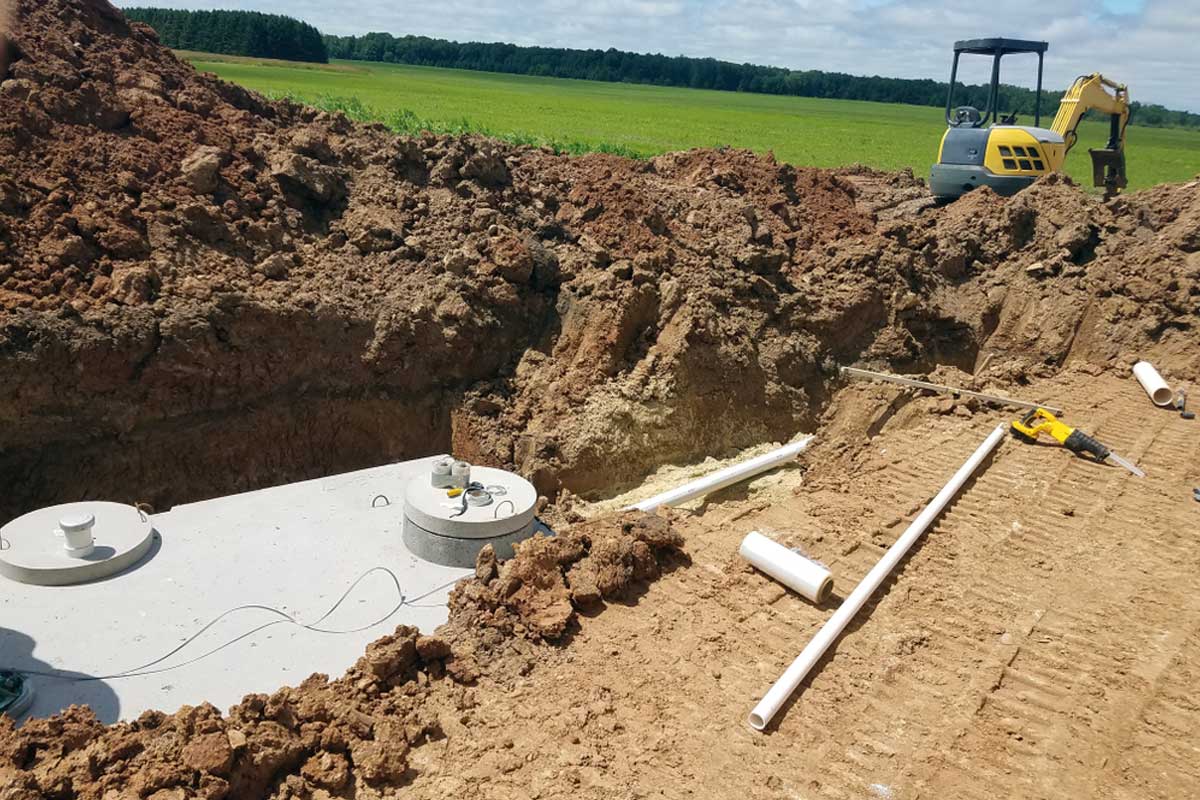
The price of installing an septic tank and a leach field will vary depending on several key factors. The size of septic systems is one of the most important factors to take into consideration. The price of a septic system will be higher for larger houses or properties that use more water. Furthermore, the conditions of the soil and the topography of an area can determine the complexity of installation as well as the price. The soil’s condition can be challenging and may require additional excavations or special treatment systems. This could increase the price.
Another element that determines cost of a septic system is the nature of the septic tank as well as the leach field system chosen. The price of different styles and materials can vary. Traditional concrete tanks are generally more affordable than alternative options like plastic or fiberglass tanks. Furthermore, the most advanced treatment systems or environmentally friendly alternatives may be more expensive but provide additional benefits including improved wastewater treatment or water conservation.
Although the price of installing an septic tank as well as a leach field sets the initial expenditure, it’s vital to take into consideration the long-term maintenance and potential replacement expenses. Septic tanks last between 25 and 30 years dependent on the use material, maintenance and. Over time it is possible that a septic system will require repair or replaced. In determining the cost of replacement of a septic tank it is not enough to consider the price of the tank but also its associated labor as well as any additional upgrades needed to comply with current regulations.
The price of a septic tank replacement may vary based on its size, complexity, and type. In some cases it is possible to excavate and eliminate the old tank before getting the site ready for installation. If the rules have changed since the original installation of the septic tank it may cost more to get the system to the latest standards.
For a seamless replacement procedure and avoid costly unexpected expenses It is essential to conduct regular inspections of the system, as well as regular maintenance. Regular inspections will enable you to identify any potential problems and then make the necessary repairs to extend the lifespan of your septic tank. The tank must be maintained with regular pumping to prevent the buildup of solids and damage.
When planning for replacing or installing a septic tank it is recommended that you obtain estimates from several reliable contractors. By comparing these estimates, you can get an understanding of the costs in your area and help you make a better decision. Be sure to inquire about warranties and guarantees that the contractor may offer in relation to their work and the materials they employ.
Understanding the cost of replacing your septic tank and the overall septic system cost is crucial for property owners and homeowners. You can budget effectively for the installation or replacing of a leachfield or septic system by considering factors like size, materials, soil condition, and potential long-term expenses. In order for your septic system to last as long as possible and save you money in the future it is essential to maintain it regularly with periodic maintenance, inspections and care. A functional system will not only assist you in managing the flow of your wastewater, it can also improve the value and functionality of your home.