
In the past, creating high-quality 3D assets demanded a blend of technical proficiency, artistic talent, and significant amounts of time. Designers manually sculpted shapes applied textures, altered lighting, and created files to be used on various platforms. Artificial intelligence has revolutionized this process. AI-powered 3D modeling tools allow designers to quickly design and create complex assets, starting from the simplest text or a photo.
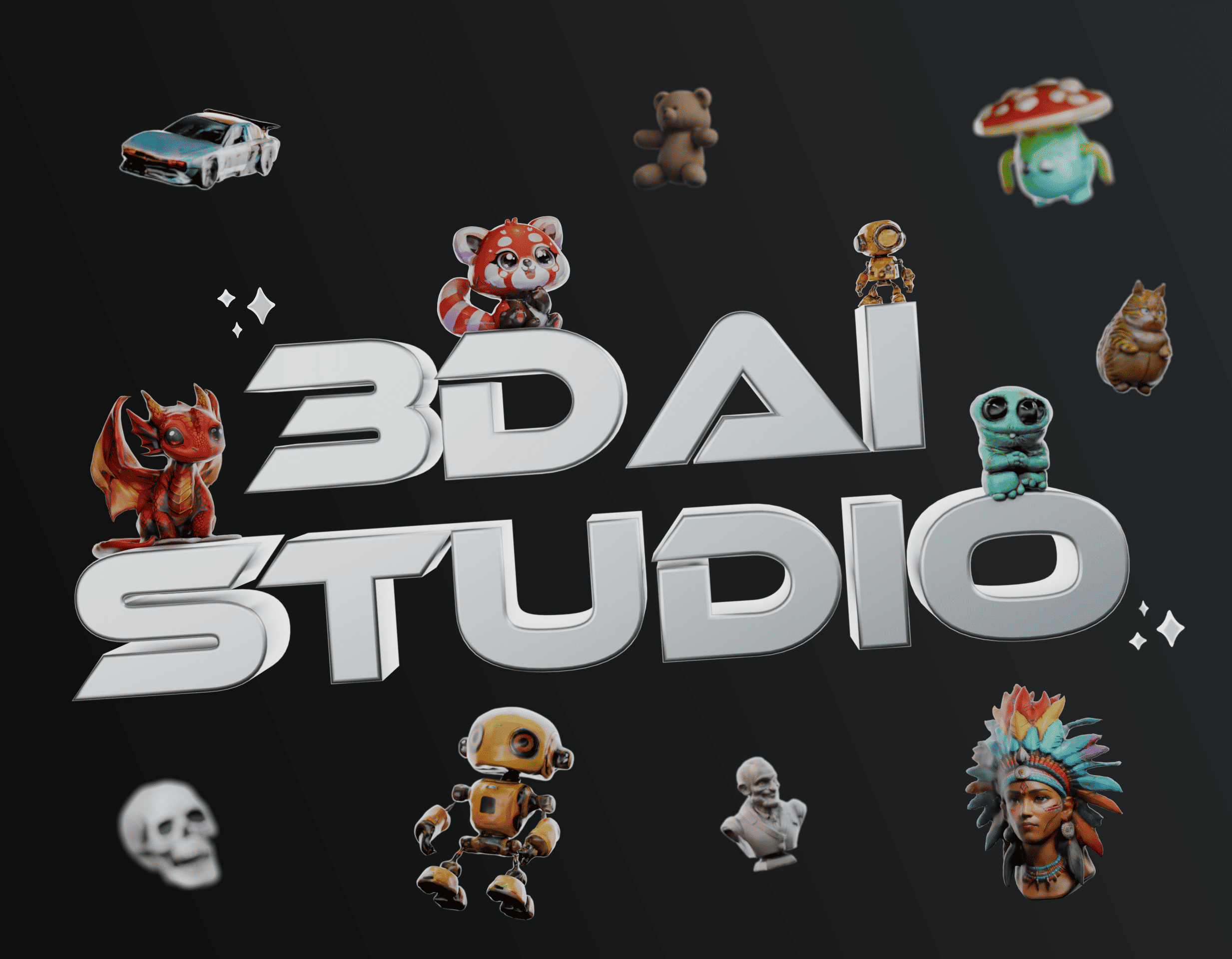
This change will make 3D design more accessible to experienced and novices, which allows production to be more swift and a more creative approach to experimentation.
In just a few minutes, you can convert an image to a 3D model
One of the most impressive developments in this field is image to 3D model technology. Instead of making models from scratch technology analyzes images and detects patterns and depths, then reconstructs them into a fully accessible 3D model.
This is especially useful for industries that rely on speed and visual accuracy. Game developers can prototype objects rapidly, architects can visualize structures prior to construction, and product designers can experiment with ideas without the need for lengthy modeling sessions. Even marketers and educators are discovering the value of being able transform visual ideas into interactive 3D content.
The savings in time are substantial. What used to take days of texturing, modeling and optimization can now happen in a fraction of the time and allows teams to concentrate more on refining concepts instead of creating every detail manually.
AI 3D Modelling is growing in popularity
AI 3D modeling tools are growing in popularity due to their ability to simplify workflows. Artificial intelligence systems that are trained on large amounts of data can create realistic shapes and materials while maintaining consistency and accuracy.
This speed does not just boost productivity, but also stimulates creativity. Designers can experiment with several variations of a single concept in a relatively short amount of period of time, evaluate the results, then choose the most effective solution. This fast process of iteration has become essential for industries like virtual reality, film production and advertising.
Another advantage is accessibility. Modern platforms allow for people who have no experience in 3D creation to create high-quality assets.
Seamless integration into Professional Workflows
For professionals, compatibility is as crucial as speed. Modern 3D model AI platforms are designed to seamlessly integrate into existing pipelines. Models can be exported to wide-ranging formats, such as FBX and OBJ. They are additionally compatible with rendering software and 3D printing devices.
Libraries of assets that are organized play an important role in ensuring efficient production. The ability to store every model created in a searchable library helps teams ensure that projects are organized and feasible. Filtering files using tags download massive amounts of them, and gaining access to older versions in a hurry can cut down on hours of administrative work.
Privacy and security are becoming more widespread and offer creators the ability to use their creations in commercial or creative projects right away.
AI Tools for Precision and Control
The common belief is that automation takes control away, but modern AI is used in 3D modeling tools usually have elaborate adjustment functions. Users can provide precise dimensions, pivot points or even ensure the correct positioning of objects in scenes. These capabilities are essential to simulation, animation and architectural visualization, where precision is crucial.
Artificial intelligence is also utilized to generate textures. This enables creators of realistic materials to rapidly create these. It also reduces the time for manual painting, while maintaining a professional look.
Future of 3D Model AI
The possibilities for 3D AI models will continue to grow as artificial intelligence improves. While AI continues to improve and improve, advanced AI models are likely to be built in complete environments optimise assets and modify models without further steps.
Platforms specifically designed for this purpose are showing how effective the tools they are. 3D AI Studio is the most powerful studio designed for 3D Assets. It’s a new type of software that eases the creation process and streamlines workflows, assisting designers move from an idea to a model that is completed without much effort.
Conclusion
The ability to go from the idea stage to a finished product in a short time has transformed the way that digital content is produced. Technology for converting images into 3D models and the latest AI 3D models tools allow creators to move beyond the manual slow workflows.
As technology advances the more advanced they become, they’ll play a greater impact on the industries, that range from gaming and entertainment to engineering and education. This will allow 3D production of top quality quicker, more sophisticated and much easier than it has ever been.