
More than a quarter (25 percent) of American seniors suffer from diabetes, which is a chronic disease that can cause a myriad of complications. It is estimated that 10 to 15% diabetics have leg and foot ulcers. Untreated, these wounds can get so bad that diabetic foot amputations may be required. In fact, over 80 percent of the amputations result from foot ulcers, highlighting the necessity of taking care to provide care and preventive measures.
Diabetes management is a difficult issue that requires a holistic approach, which goes beyond glucose control. Everyday foot care becomes the keystone in this effort providing a crucial defence against the growing threat of diabetes-related amputations.
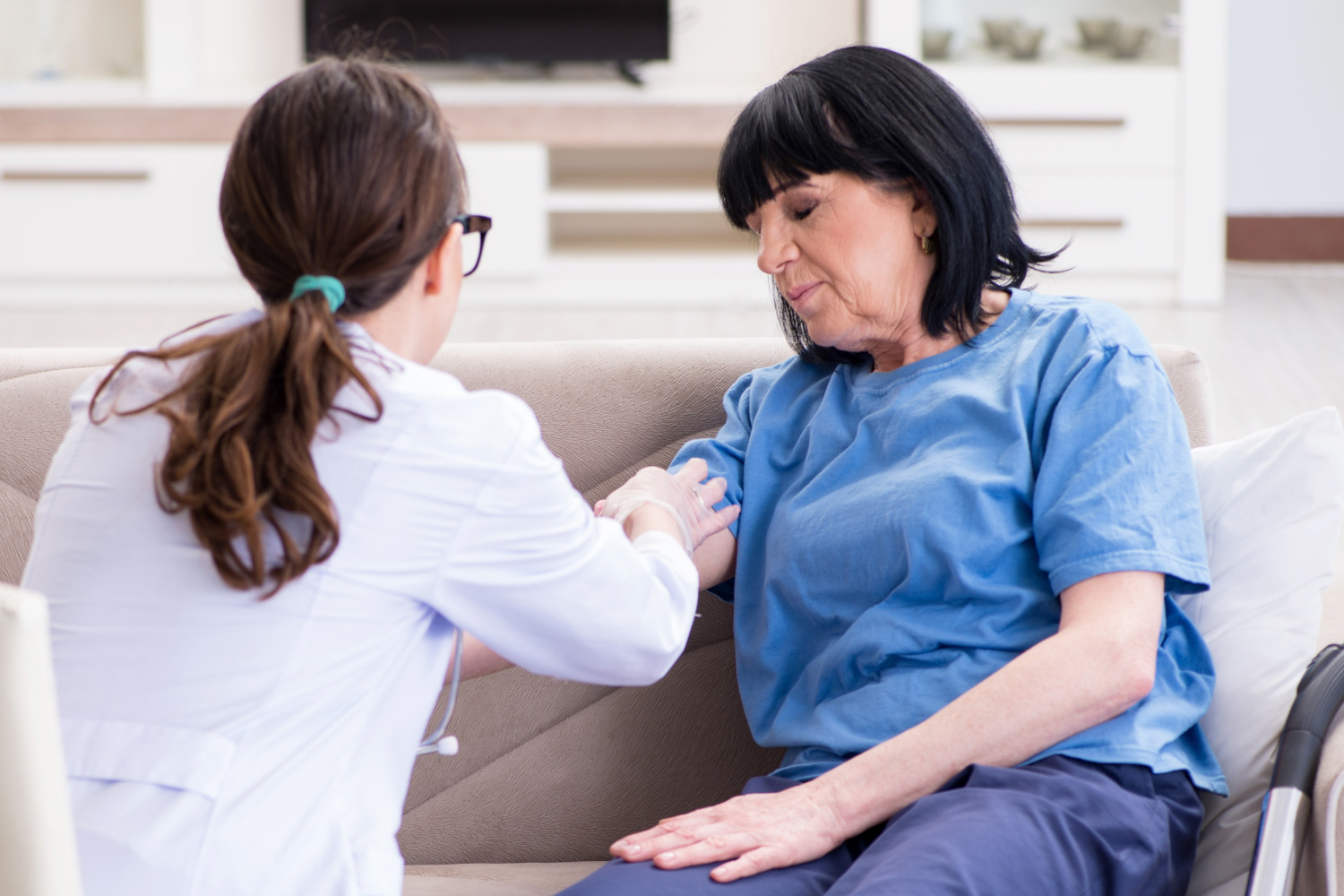
Understanding the Landscape
Diabetes and its complications create an intricate landscape to navigate. The prevalence of foot and leg ulcers in diabetic patients highlights the need for proactive medical care. Given the stark data, it is clear that the best method to prevent amputations is to foster a greater understanding.
The Amputation Conundrum
Amputation is a real possibility for those with diabetes. It’s much more than an occurrence. It has a direct impact on individuals. It’s an extended journey from a minor injury to the possibility of having to be amputated due to diabetes.
Daily Foot Care: A Protective Shield against Amputation
The foundation of diabetes amputation prevention lies in daily foot care. This isn’t only about keeping the feet clean, it’s a rigorous process that aims at identifying and addressing potential issues before they escalate. Every step of this routine is strategically to fight diabetic-related amputations.
Vascular specialists: their roles
Vascular specialists don’t manage diabetes in a direct manner, however their expertise is vital in helping to reduce the risks. In order to alleviate leg pain and to speed up wound healing, establishing optimal blood flow is a crucial aspect of treatment. Through this collaboration approach, the aim is clear for diabetes-related amputations to be prevented by alleviating the effects of the condition.
Strategies to Prevent Amputation
To be able to navigate the maze of risk for amputations due to diabetes it is necessary to have a mix of alertness, vigilance, and skilled intervention. It is essential for those with diabetes to adopt a proactive attitude. Regular visits to health professionals such as specialists in vascular surgery, can help with the early detection.
Understanding the Triggers: Leg Ulcers and Beyond
Leg ulcers, typically the precursors to more serious complications, demand attention and understanding. Knowing the triggers that lead to the development of leg ulcers is an important step. It doesn’t matter if it’s poor circulation, neuropathy or a combination of causes, identifying the root trigger allows for targeted treatment and personalized care.
Empowerment through education
Instilling in people suffering from diabetes knowledge about the risks and ways to prevent them is essential. Within the healthcare system and in the community as a whole, educational programs can bridge the gap between awareness to taking action. Understanding the consequences of injuries that appear harmless can help prompt prompt responses and possibly averting the need for diabetic foot Amputation.
Private Battles as well as Collective Triumphs
It’s more than an individual battle, but an enthralling collective effort to fight diabetes-related amputations. Support networks offer place to share experiences, gain knowledge from each other and improve coping abilities. When you’re faced with the risk of amputation and emotional trauma, the impact can be overwhelming. Community support networks provide support and peace.
The journey through leg ulcers, diabetes and the imminent danger of an amputation are multifaceted. A regular foot check-up is the initial line of defense. Vascular experts’ experience can be a valuable benefit to reducing the severity of the effects. Patients with diabetes can lower the possibility of losing a foot by increasing awareness, taking prevention measures and creating the support system.