
Computer Numerical Control machining (CNC machining) has revolutionized engineering and manufacturing over the past couple of decades. By integrating digital technology with traditional manufacturing techniques, CNC machining has emerged as a dominant method for producing high-precision parts and components in a variety of industries. This article focuses on the advantages of CNC, various applications, and the mechanics.
The Mechanics of CNC Machining
CNC machining employs subtractive processes to remove material from the workpiece or solid block to create the desired shape. The movements of the machinery are dictated by computer software preprogrammed. The code produced by CNC machines is based on the kind of machine being employed and the level of complexity of the product. The fundamental principle behind CNC machines is the same. A high-speed cutting machine precisely removes the material to create the final product.
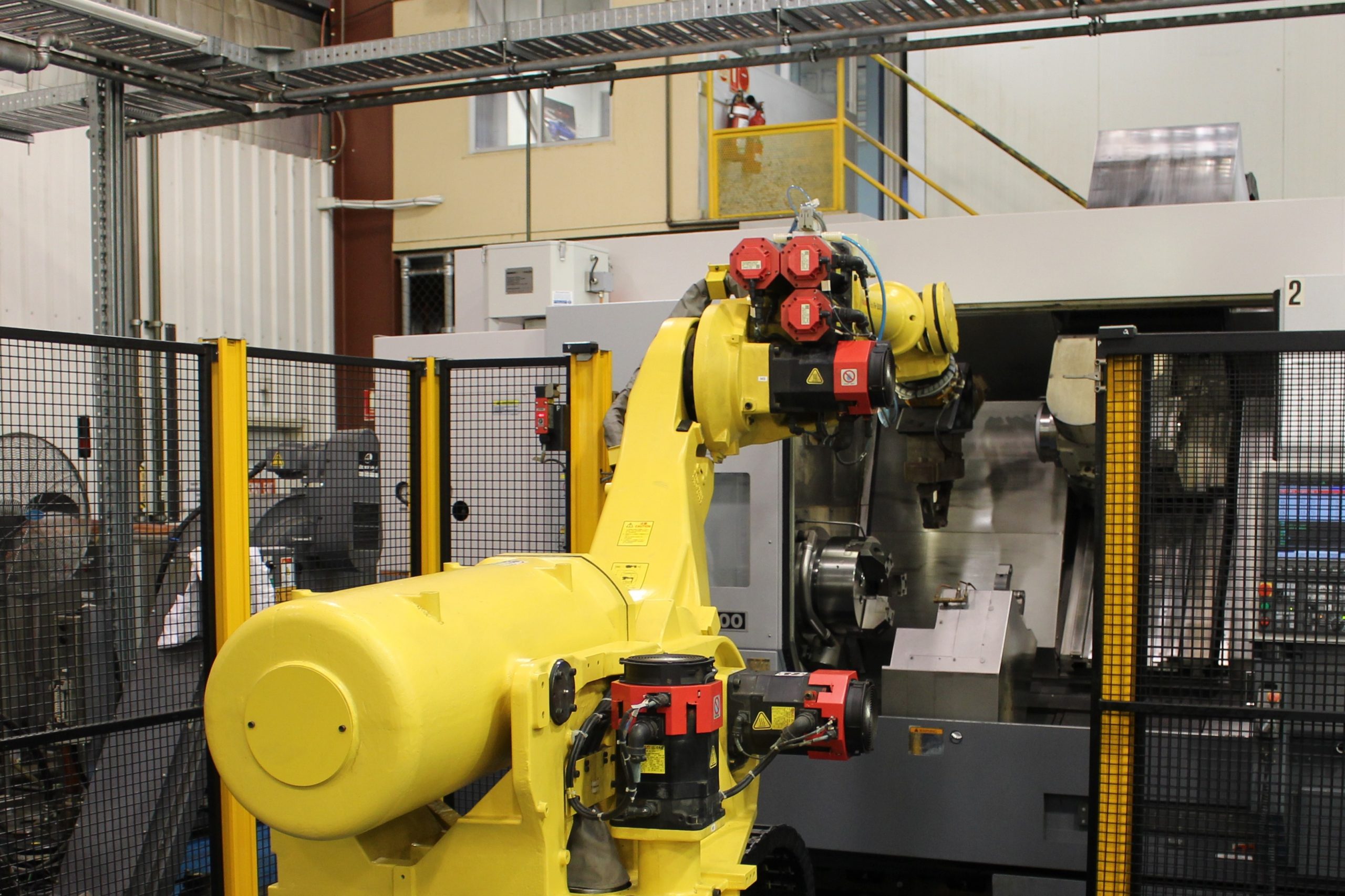
CNC Machining has numerous benefits. One of these is its precision. Digitalization allows for extremely accurate and consistent production. This minimizes human error, and ensures uniformity between batches. This level precision is vital in the fields that are affected by even the slightest deviations, such as aerospace, automotive manufacturing and medical equipment.
The role of digitalised computers in CNC machine operations
CNC machining has high accuracy and efficiency because of its integration of digital tech. CNC machines operate with specialized software, which makes the entire manufacturing process more efficient. This software transforms computer-aided design (CAD) models into a series of precise instructions, which the CNC machine is able to follow to produce the piece. These instructions include everything from the direction and speed of the cutting tool to the depth and angles of each cut.
In industrial facilities with large scales computers are typically connected directly to CNC machines. This enables seamless communication and controls. This integration allows real time monitoring, adjustments, and optimisation of performance. CNC machining can be automated to facilitate continuous operation which increases productivity while reducing lead times.
CNC Machining – The Benefits
CNC machining provides numerous advantages to traditional manufacturing methods. One of the biggest advantages is the capability to create complex and intricate parts with high-precision. CNC machines reduce the amount of waste produced because it eliminates the need for manual adjustments. Additionally, CNC machines can operate in a continuous manner, which makes them perfect for high-volume production runs.
CNC machining has another advantage that is flexibility. With a simple change of the program the same machine can be programmed to make different parts. CNC machining can be used to prototype or for mass production.
The process of automation of CNC machining can also be a security improvement in the workplace. Since injuries and accidents can be minimized by reducing the need for manual intervention. CNC-machined pieces are of consistent quality, enhancing product performance and reliability and enhancing the satisfaction of customers and brand reputation.
Industries benefiting from CNC Machining Services
Many industries use CNC machineries, and are distinguished by its effectiveness, flexibility and precision. CNC machines are critical in the aerospace industry because they must comply with extremely strict safety and quality standards. CNC machining is essential in the medical industry for complex surgical devices and implants, where precision is crucial.
CNC machining used in the automotive industry is used to produce components for transmissions, engine parts as well as intricate components for interior and exterior. Similar to this, the electronics sector benefits from the CNC’s capability to create tiny, precise components that are used in consumer electronics, communication devices, and other electronic items. The jewelry and art industries too use CNC technology to make unique pieces as well as intricate designs.
The future of CNC Machining
CNC machining will continue to advance as technology progresses. Multi-axis machining and additive manufacturing integration will continue pushing CNC technology’s limits. Additionally, machine learning and AI can increase CNC machine efficiency.
CNC Machining is a highly efficient tool that has revolutionized the world of manufacturing and engineering. It offers unparalleled precision, flexibility, and efficiency. Its ability to produce complex parts with high accuracy makes it an invaluable tool across various industries. CNC machining’s role in manufacturing’s future will be crucial as technology evolves.