
In the intricate system of control for fluids the seamless coordination between solenoid valves and actuated ball-valve actuators plays an essential function. These components are often unnoticed users in a variety of industrial applications. They work as two dynamic components to allow accurate and automated flow control. We’ll explore the worlds of solenoid and controlled valves. Let’s examine their applications and examine the symbiotic interactions that drive fluid management.
Solenoids, gatekeepers that operate electrically to regulate flow control, are the primary to seamless control across many different applications. These valves are able to provide accuracy and effectiveness in fluid control systems. They’re used to pilot air-actuated butterfly and ball valves. The valves are designed to respond to electrical impulses they function as orchestrators, telling when and how the fluid pathway should open or close.
The integration of solenoid actuators into spring return and double-acting air actuators is one of their unique features. They can be adjusted to a range of operational demands due to their adaptability. The NAMUR standard mounting pad simplifies the integration by allowing an easy connection to the air actuator.
Actuated Ball Valves for automated fluid positioning
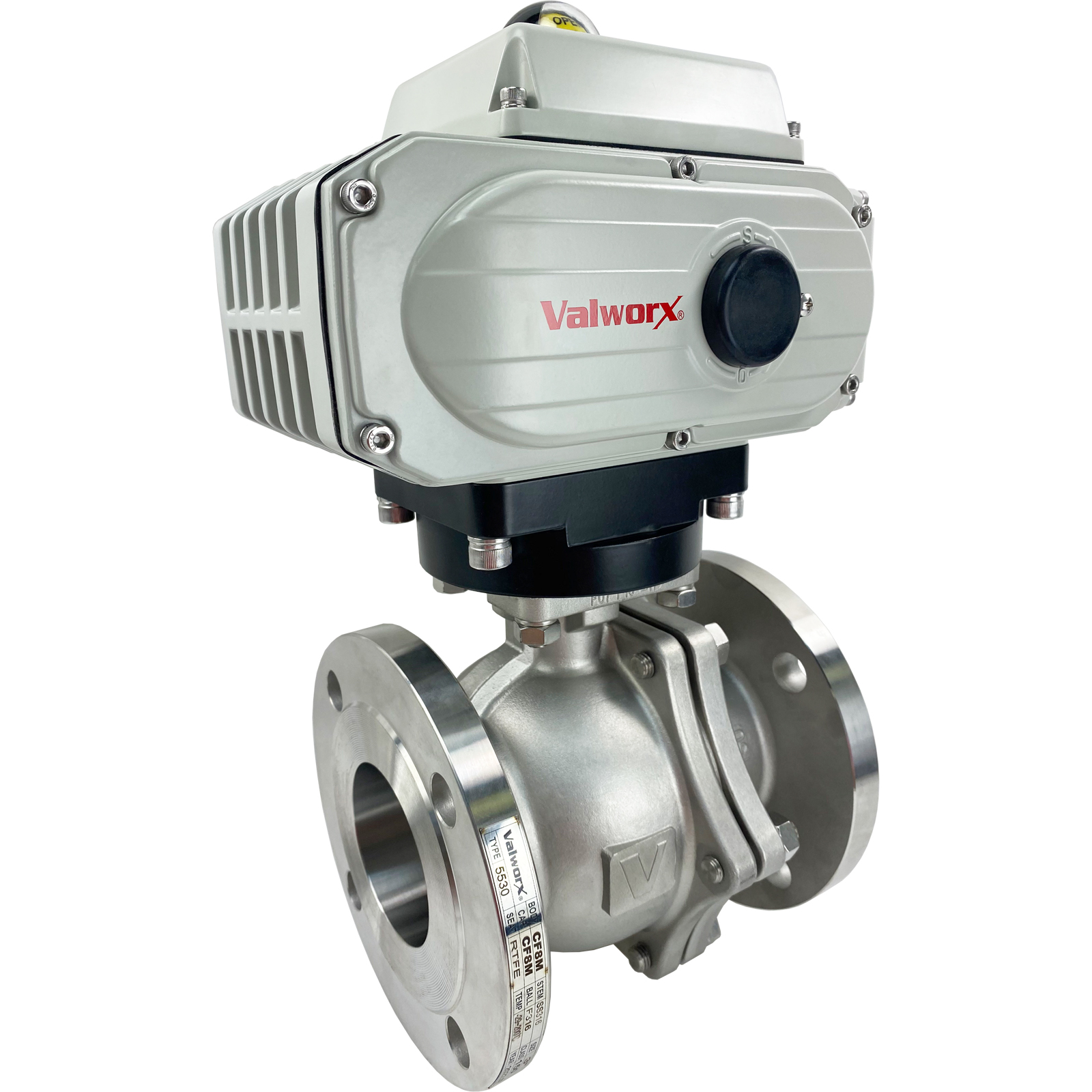
The actuators for the ball valve in contrast allows automation to the movement of valves. These valves are powered by either electric or pneumatic actuators. They can automatically turn the valves in the desired location, allowing for the fluid to be managed without hands. The synergy between solenoid valves as well as actuator valves creates a system that combines electronic precision and mechanical precision.
Ball valves with actuation is an excellent choice for situations where precision and dependability are vital. Its ability regulate fluid flow accurately makes it the ideal option for projects that require on/off or a modulation of controls. Actuated ball valves are capable of controlling the flow of air, water or oil as well as other compatible media.
Solenoid Ball Valve Precision Air Actuated Ball Valve
Similar to a symphony orchestra of instruments, the combination of air-actuated ball and solenoid valves achieves a harmonious fluid control. Solenoid valves, responding to electrical signals and in sync to the flow of fluid play the role of conductors. The air actuated ball valve that is guided by the electrical signal is able to perform the mechanical dance which is precise in its rotation to regulate the flow.
What makes this symphony amazing is the integration of the NAMUR mounting pad. This standardized connection not only simplifies the assembly process but also ensures a secure and efficient linkage between the solenoid valve and the air actuator. It’s a seamless connection that transforms electrical impulses into physical motion, providing a level of precision that is in line with the strict demands for industrial use.
Navigating Modulation The Changing World of Ball Valve Control
They are known for their flexibility, regardless of whether they’re actuated valves or not. The ability they have to alter the flow of water, air or oil, as well as other suitable media makes them an essential part of many industries. Actuated ball valves, fueled by the innate power of solenoid valves, bring this capability to new heights.
In the case of applications where the demand for flow is different and control is required to adjust, it becomes vital. In these cases when the need for control is high, ball valves actuated with the precision of a solenoid are ideal for. The dynamic world of ball control provides the ideal option for controlling the rates of water flow in cooling systems, or altering air release in pneumatic systems.
It is important to have several ball vales on hand in order to maximize efficiency and longevity. Industries need solutions that do not just meet their immediate requirements but will also stand the test time in a variety of operational conditions. There are a variety of ball valves available on the market, and all set high standards for durability and performance.
The possibilities are endless no matter if you’re in search of a compact ball valve that can be operated manually, or a more sophisticated ball valve equipped with an electrically controlled actuator. To make the right choice you should consider aspects like the type of fluid used, the operating pressure, temperature and requirements of the application. With this comprehensive offering, industries can create fluid solutions that are tailored to meet their particular needs.
Conclusion The Precision Dance of Solenoid Valves and Actuated Ball Valves
The importance of precision is paramount in the complex world of control fluids. The connection between solenoid valves and actuated valves illustrates this perfectly. The solenoid’s control by electric connects to the mechanical strength used by the actuated valves create a dance of precision that manages fluid flow with unparalleled precision.
Every element in this symphony plays an important part. From the international standard NAMUR mount pads that guarantee secure connections, to the automatic motions of actuated ball valves in response to solenoid signals. The dynamic duo of solenoid- and controlled valves are the foundation in fluid management systems that seek durability, efficiency, and scalability.