
In the vast canvas of industries that use titanium dioxide, also known as TiO2, titanium white, or Pigment White 6 (PW6) shines like a bright star, particularly in the world of paints, plastics and paper, and rubber. The versatile chemical is famous for its dazzling white pigment. It plays a crucial role in the transformation process of raw materials into stunning, polished products. Explore the applications of titanium dioxide and their manufacturing methods. Find out the effect it can have on various industries.
The Canvas of Titanium Dioxide, A Palette of Possibilities
Titanium dioxide plays an important part in the production of a variety of everyday items. It increases the efficiency and beauty of these products. It is also known as Pigment White 6, it plays a significant role in the creation of paints. It offers an amazing and opaque white color that increases the vibrancy and depth of industrial and artistic uses as well.
In the plastics industry titanium dioxide is a key component. It not only imparts color, but acts as stabilizing UV agent and protects against the harmful effects induced by ultraviolet radiation. Its dual functions make titanium dioxide a vital component of numerous plastic products. They range from tough outdoor products to packaging materials.
The Manufacturing Alchemy: Titanium Dioxide Production Processes
The production of titanium dioxide is a complex process. Two methods are predominant in the process: the sulfuric acid method and chlorination method. Each method has its own unique intricacies and applications, contributing to the versatility of titanium dioxide across industries.
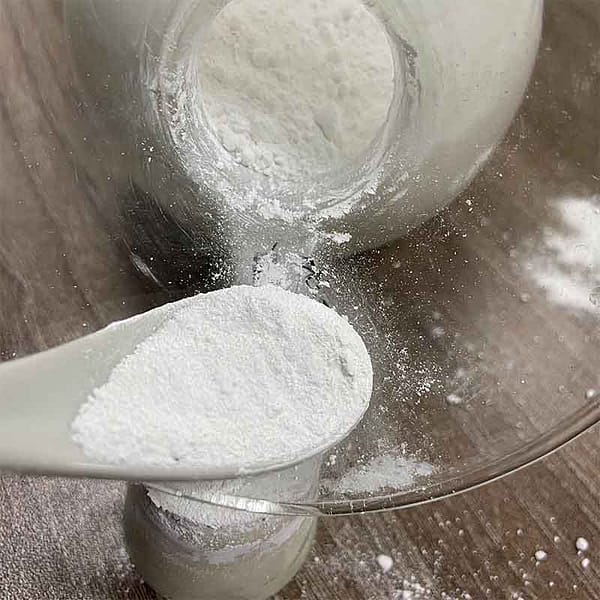
Sulfuric Acid Method. This involves the reaction of the ore that contains titanium with sulfuric acids resulting in a titanium sulfate. The solution is later hydrolyzed and produces hydrated titanium dioxide. The final product after the calcination process is a white powder that can be used for a wide range of applications, notably the paper and paint industries.
The Chlorination Technique: On the other hand, using chlorine gas, this technique works by combining titanium-bearing mineral to create titanium Tetrachloride. Through various chemical transformations that result in the oxidation of titanium tetrachloride to create pure titanium dioxide. This method is widely used in the creation of titanium dioxide for the plastics and rubber industries.
The Art and Science of Titanium Dioxide Applications
Painting brilliance Across Industries: Titanium dioxide’s popularity in the field of paint is unrivaled. Its capability to create an intense white color, with outstanding coverage and long-lasting durability makes it a popular choice for artists, homeowners, and industrial applications alike. The vibrant white hue it imparts to canvas isn’t just an aesthetic one however, it also serves as a functional. It enhances the longevity of the painted surface.
Shaping Plastics with Radiance: In plastics, titanium dioxide serves a dual purpose. In addition to its function as a white colorant, titanium dioxide is also a UV stabiliser, which provides crucial protection from the degrading impact of sunlight. It is utilized in outdoor plastic products to ensure their durability and appearance.
Titan dioxide is utilized in the paper industry in order to increase the whiteness of paper and its transparency. The addition of titanium dioxide increases the quality of the paper and makes printed materials more vivid and clear. The role of titanium dioxide in the paper-making process is more than aesthetics. It is vital in increasing the quality of printed materials.
Rubber Resilience & UV Resistance: The rubber industry gains from the UV resistance that titanium dioxide can provide. In rubber products, especially ones that are exposed to outdoor conditions titanium dioxide serves as a shield to protect against the damaging UV radiation, guaranteeing the longevity and durability of items made from rubber.
Titanium Dioxide Impact: More Than Pigment
While the impact of titanium dioxide is prominently visible as an pigment, its effect extends beyond the realms of color. The capacity of this compound to increase the resilience, durability and longevity of materials in various sectors makes it an invisibly but indispensable contributing factor to the durability and efficiency of the final product.
In the end titanium dioxide emerges as a substance of profound significance, seamlessly integrating into the fabric of numerous industries. It is also known as Pigment White 6, it creates a stunning effect on canvases, both artistic and industrial. Its production is the result of two processes: sulfuric acid and chlorineation. This allows for a broad spectrum of possible applications. The harmonious combination of science and art manufacturing is apparent when titanium dioxide shines up paper, improves paints’ aesthetic appeal, protects plastics against ultraviolet rays, or helps protect rubber. The brilliance of titanium dioxide reflects light onto the world around us, transforming a variety of products into ones that are durable and bright.