
In the modern age of digital technology it is essential to have a reliable and strong WiFi signal is vital for seamless connectivity and high productivity. The key to reaching this goal is the careful placement of the Wireless Access Point (WAP). The location of the WAP’s is crucial for WiFi reliability and stability. Let’s explore the importance of WAP devices and how to choose the best home access point for optimal wireless connectivity.
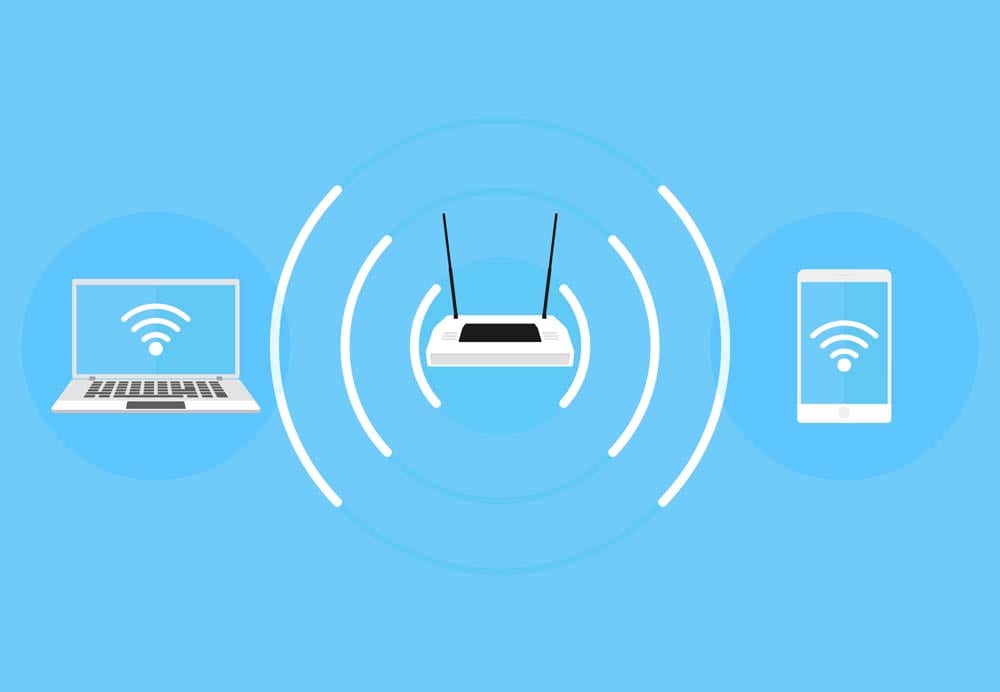
The Wap Wireless Access Point is an essential device for networking that allows wireless-enabled devices to connect with a wired network using WiFi or comparable standards. It is a crucial device to extend the range of your network and eliminating the requirement to use bulky cables. The WAP transforms the information received by a router through an Ethernet cable into radio frequency. The WAP device is able to pick up the signal and give them access to networks.
WAP Placement and Its Impact
Strategic placement of a WAP is vital to ensure a solid and reliable WiFi signal across your area. The location of the WAP affects the signal strength, coverage range, and general performance of the WiFi network. Placing the WAP in an optimal position helps to reduce interference, enhancing coverage, as well as improving the overall experience for users.
Factors that affect the strength of WAP’s signal
Many factors affect the signal that a WAP transmits to your devices. These include:
Signal Strength: The power of the signal that is transmitted by the WAP.
Range: Distance at which WAP can send a strong reliable signal.
Interference: Obstacles and electronic devices that could interfere with the signal of WiFi.
The Most Effective Home Access Point
To get the most efficient wireless performance, selecting the right WiFi provider for your home or office is essential. Think about these points when choosing the right access point for your home:
Signal Strength and Range: Pick a WAP with an excellent signal and a an extensive coverage area. This ensures that the WiFi signal is accessible to the area you wish to access without dead spots.
Choose a WAP equipped with technology that limit interference. Triple-band or dual-band technology can be utilized to find WiFi channels that are overcrowded.
Simple Setup and Configuration – Choose a WAP that is easy to configure and set up. Simple installation processes and intuitive user interfaces will save you both time and energy.
Security Features: Give priority to WAPs with robust security features including encryption protocols as well as security options. This safeguards your network’s information and helps to safeguard it.
Scalability: Be sure that the WAP is able to handle the number devices that you intend to connect. The capacity of scalable WAPs increases as networks expand which makes them a secure purchase.
Optimizing WAP Placement to Maximize Performance
Central Location: Set the WAP in the central position to ensure an even distribution of the WiFi signal in your space. This helps reduce dead zones and making sure that you have a consistent connection throughout your entire property.
Elevation – Place the WAP on a higher surface like a ceiling or wall. This allows the signal to be more efficiently broadcast and gives better coverage.
To avoid interference, keep your WiFi away from devices and materials that could cause interference. These include phones with cords, microwaves or metal structures. This will help maintain the integrity and purity of the WiFi signal.
Professional Assessment: Meet with IT experts for an in-depth review of your space. They can help you identify the best locations to place WAPs based on your needs.
The conclusion of the article is:
In this age of constantly evolving technology, having a reliable WiFi connection is not a matter of choice. Wireless Access Points (WAPs) have a crucial role to play in providing this by extending your network’s reach while also providing the most reliable WiFi signal. To get the best WiFi performance, it’s important to place your WAP in a optimal location, and to choose the ideal wireless access point to your network.
Making the effort of the analysis of your area, understanding the elements that affect WAP signal strength and understanding the fundamental aspects of a WAP will be a major difference. Once you have mastered the art of WAP placement You can maximize the potential of your WiFi network and enjoy a continuous, seamless connectivity.