
For most homeowners, the thought of an oil tank replacement rarely crosses their minds until necessity knocks on their doors. The importance of this seemingly trivial task is unquestionably important. A residential oil tank is an essential component of the construction of every house. As property owners, we are accountable and have to ensure that heating systems and storage containers for oil work properly and effectively. The failure to replace oil tanks could have serious financial and ecological consequences.
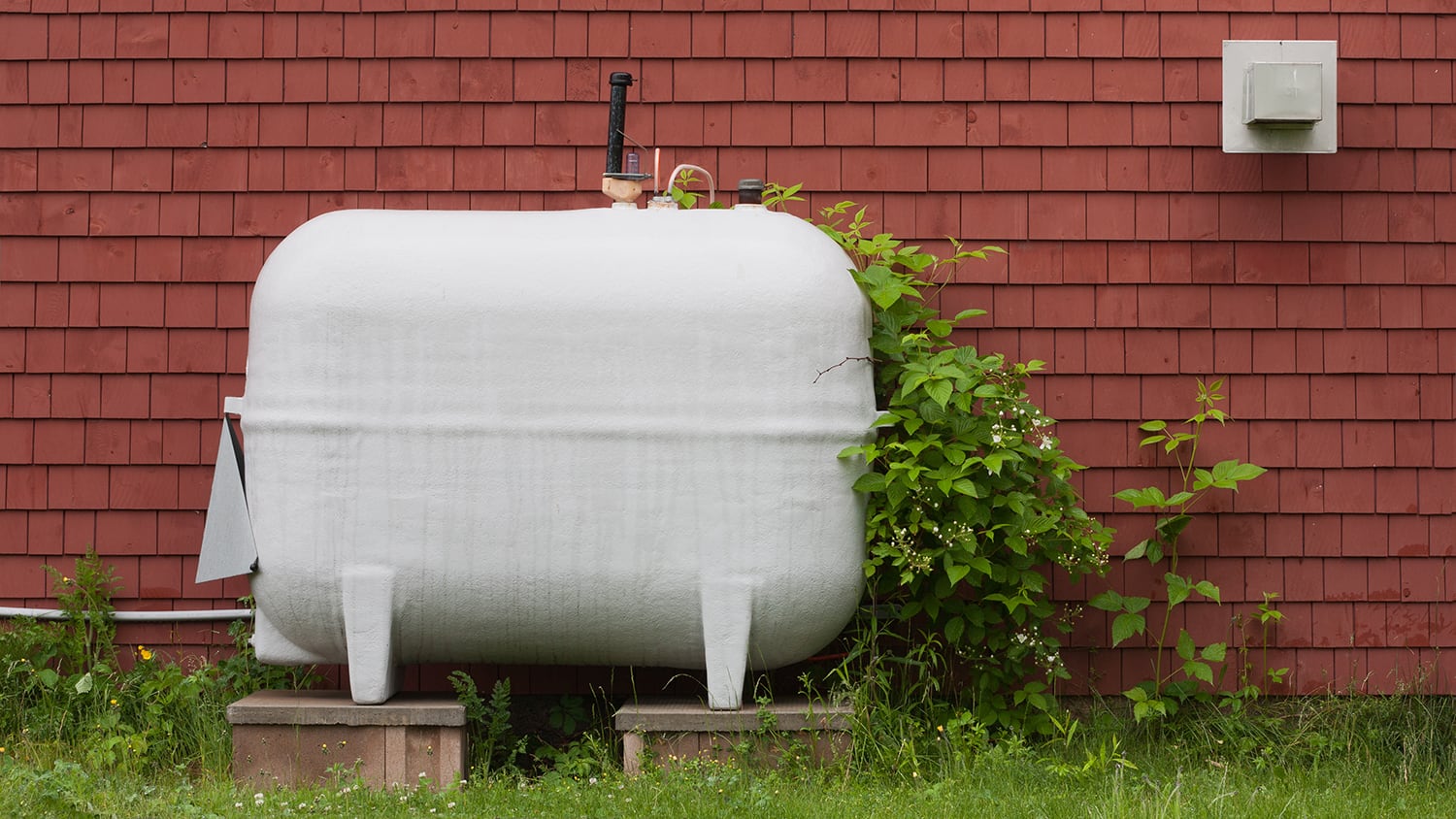
The significance of oil tank replacement becomes evident when we think about the possible effects of neglect. A small oil leak today can lead to an environmental catastrophe and financial loss in the near future. Thus, being armed with the correct information regarding tanks for oil and knowing when, or even before, it’s time to replace your tank is important. This article will cover the many aspects of replacing an oil tank including the price to replace an oil tank and its advantages. This will provide you with the information you need.
Understand the urgency of re-installing oil tanks
The oil tank that is located in your basement or in your yard may not be the most appealing feature of your house, but it is one of the most crucial. This unassuming container, which serves as a storage container for heating oil, ensures that your home is warm and cozy during winter. Like any other part, oil tanks have a limited life span in which ignoring their maintenance and eventually replacement could lead to a host of issues.
Think about the analogy of ticking time bombs – an old oil tank could be a risk in the same way. The wear and corrosion over time can degrade the tank’s structural integrity, which can lead to spills, leaks and contamination. These incidents can not only hurt your property, but also the surrounding environment. By proactively opting for oil tank replacement, you not only mitigate these risks but also guarantee the safety and well-being of your loved ones and the entire ecosystem.
Calculating the costs: the cost of replacing an oil tank
Budget considerations can play a significant role in every home improvement project and the replacement of an oil tank is not an exception. The cost for replacing the tank can vary based on several aspects, such as the size of the tank, its place of installation, as well as the complexity of the installation process. It’s an investment not a expense. While the initial costs could appear significant, they are not in comparison to the potential economic consequences of the occurrence of a leak or environmental pollution.
If you can get precise estimates from reliable services for replacing oil tanks to make an informed choice that is in line with your priorities and budget. Keep in mind that the cost of replacing the tank include the tank, but also permits, labor and any remediation needed for soil. The safety of a correctly executed replacement oil tank isn’t only guaranteed, but provides long-term savings as well as peace of mind.
The environmental imperative: adopting responsible oil tank replacement
The choice to replace your oil tank could have a wider impact beyond your home. The more aging the tank has, the more likely it is to have spills or leaks. This can result in pollution of soils and water sources and cause long-lasting environmental damage. A responsible choice for replacement of your oil tank is a conscious step toward the reduction of your carbon footprint as well as safeguarding the wellbeing of your community.
Modern services for replacing oil tanks focus on the environment. Highly skilled technicians employ methods to remove safely and dispose of old tanks, while reducing the risk of contamination. Also, newer tanks tend to have advanced features and equipment that contribute to better environmental outcomes. If you opt for an replacement of your oil tank you aid in the conservation of natural resources as well as the health of the next generation.
The replacement of your oil tank will bring you comfort and safety.
The cost of replacing your oil tank goes beyond financial and environmental aspects – it directly impacts the safety and security of your home. New, reliable oil tanks ensure that your heating system functions optimally and gives you consistent warmth during the colder winter months. This will also reduce the stress and anxiety caused by leaks that are unexpected.
Moreover, replacing your oil tanks can provide the possibility of exploring alternatives that are energy efficient. Newer tanks are often designed with better insulation and modern technology, which results in lower use of energy and reduced heating costs. By upgrading the tank that you use for oil, you’re taking a an active step towards increasing the efficiency of your home and living a more sustainable life.
It is crucial to replace your oil tank since it’s not just routine maintenance, but an investment in your safety well-being, health, and the longevity of your home. As responsible homeowners it is essential to be aware of a need for replacement and the expenses involved. The priority of replacing oil tanks will enable you to create a more secure and pleasant living space. Take the first step towards an environmentally and safer sustainable future by replacing the oil tank.