
Emergency medical services are a vital one and a career within it can be extremely rewarding. It is centered around providing life-saving assistance. If you’re contemplating becoming an Emergency Medical Technician (EMT) or even advancing to the prestigious role of a paramedic you’re stepping into a field that has tremendous growth opportunities and a huge demand for highly skilled professionals. This article will walk you through each step needed to become an EMT or paramedic. We’ll also look at various training options available including the DSHS-approved EMS course.
Understanding the function of EMTs & Paramedics
First responders emergency medical Technicians and Paramedics offer immediate medical treatment in an emergency situation. They are skilled in assessing patients, delivering essential medical treatments and transporting individuals safely to medical facilities for further treatment. EMTs, paramedics as well as other medical professionals, play an essential role in stabilizing a patient in critical situations, making split second decisions, and offering compassionate care to patients suffering from distress. For more information, click Steps to become a Paramedic
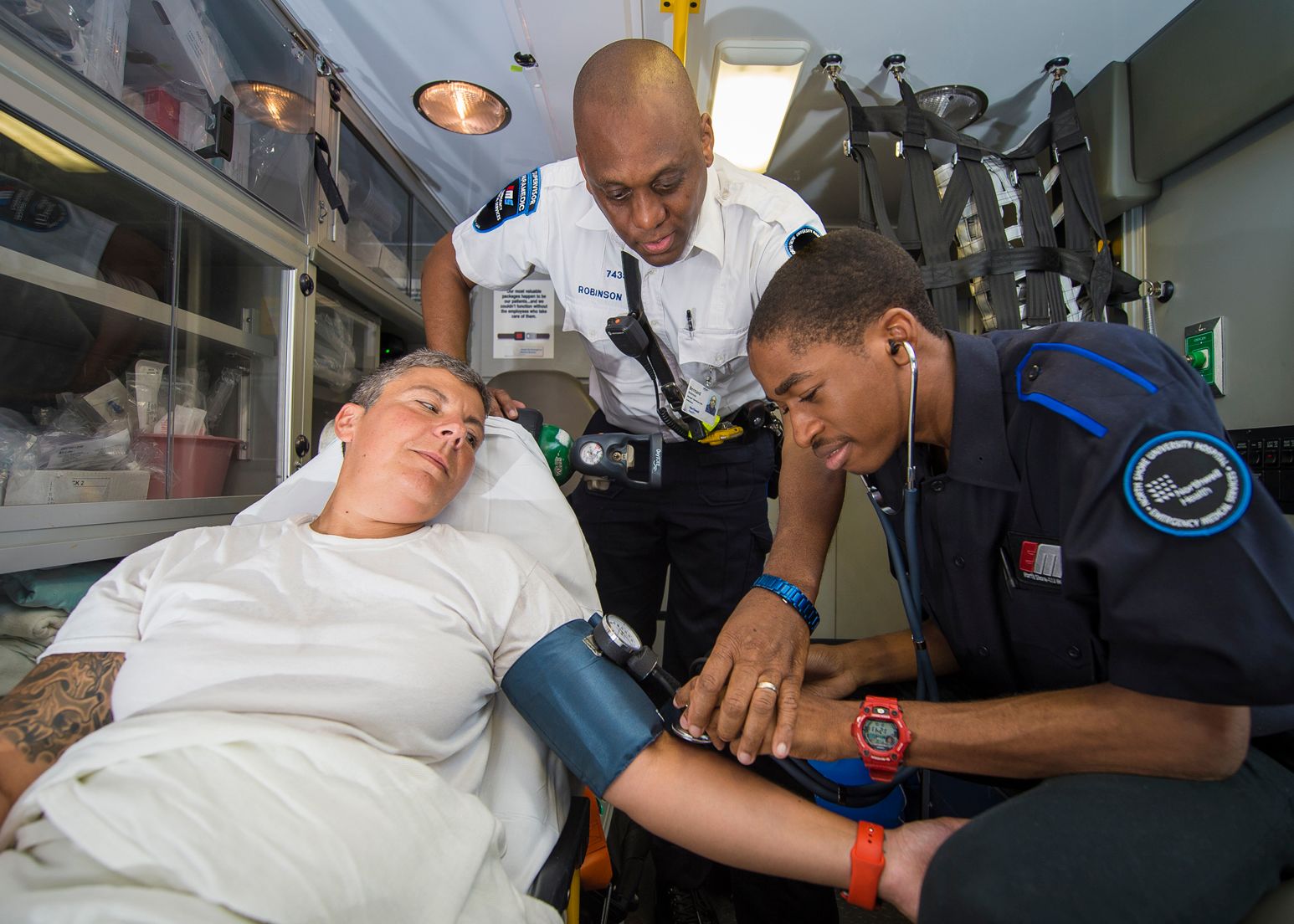
Step 1: Becoming EMT
For you to become an EMT you’ll need to successfully complete a range of educational and training courses. These may differ based on the degree of certification you want to attain. There are three degrees of EMT certification.
1. EMT Basic (EMT B) EMT Basic (EMT B): This is an entry-level certificate that is based on between 100-150 hours of instruction. EMTs-B are trained in basic medical treatments such as CPR as well as bleeding control and the basics of managing airways.
2. EMT Intermediate (EMT I): EMT I requires further training, and this can differ from state to state. This level may be combined with EMT B in some states however it will require between 200 and 400 hours of training. It may also require in-hospital treatment as well as expanded capabilities in medical.
3. EMT-Paramedic (EMT-P) the highest stage of EMT certification, EMT-P, is the most advanced level of training and typically between 1,000 and 1,800 hours. Paramedics have advanced skills in medical procedures, such as the administration of medications, reading EKGs and managing airways.
Step 2: Pursuing Paramedic Certification
You must finish your EMT B or EMT I level before you can become a paramedic. After that, you’ll be eligible to take a paramedic course, which typically takes between one and two year to complete. In the extensive training, you will learn about advanced medical subjects. In addition, you’ll acquire the knowledge and skills needed to handle difficult scenarios.
Learn more about EMT Training Options
When it comes to EMT training, there are many options dependent on the level of certification that you are aiming to achieve. EMT courses are often offered through medical trade schools and community colleges for all certification levels. These programs integrate classes with hands-on training in clinical and field settings.
If you’re looking for an extensive and comprehensive EMT program, which can give you a degree from colleges or universities, they may also offer EMT training at the EMT-Paramedic levels. These courses provide an thorough knowledge of emergency medical services and give an understanding of medical decisions and patient care.
Step 4: Make sure you have DSHS-approved EMS training
If you’re considering becoming an EMT or paramedic, it’s important that the training program chosen by you be DSHS-approved. The Department of State Health Services (DSHS) DSHS is the agency that approves EMS Training Courses in order to guarantee high standards of training. By enrolling in an DSHS approved EMS training course, you can rest confident that you’re receiving high-quality instruction and that you meet the necessary requirements for certification.
Making the transition to EMT or paramedic is an extremely rewarding and highly respected career option. As first emergency responders, EMTs and paramedics play vital roles in helping save lives and provide immediate medical care in emergency situations. To begin this lifesaving journey, EMTs and Paramedics are required to complete educational and training courses. The applicants can choose from a variety of EMT programs, based on the level of certification they want to attain. They include medical schools, community colleges and university programs.
While assessing the different training options available and options, it is important to ensure that your chosen EMS course is DSHS certified. This way, you can be confident that you’re receiving a high-quality training that meets the required standards to obtain EMT and paramedic certification.
The need for emergency medical professionals is on the rise. Being a part of the field of EMS can offer you a wide range of jobs, as well as the opportunity to have the ability to make a difference in others’ lives. Whether you start with an EMT-Basic certification or want to become a paramedic, your commitment to providing crucial medical care will pay off with an exciting and meaningful career in emergency medical services.