
It was far from tranquil when Megalodon’s tooth first found. It was one of the largest predatory sharks to ever live in the the oceans of Earth. The tooth was later lost. This is the conclusion for the majority of objects. It could be also the beginning of a tale for a fossil.
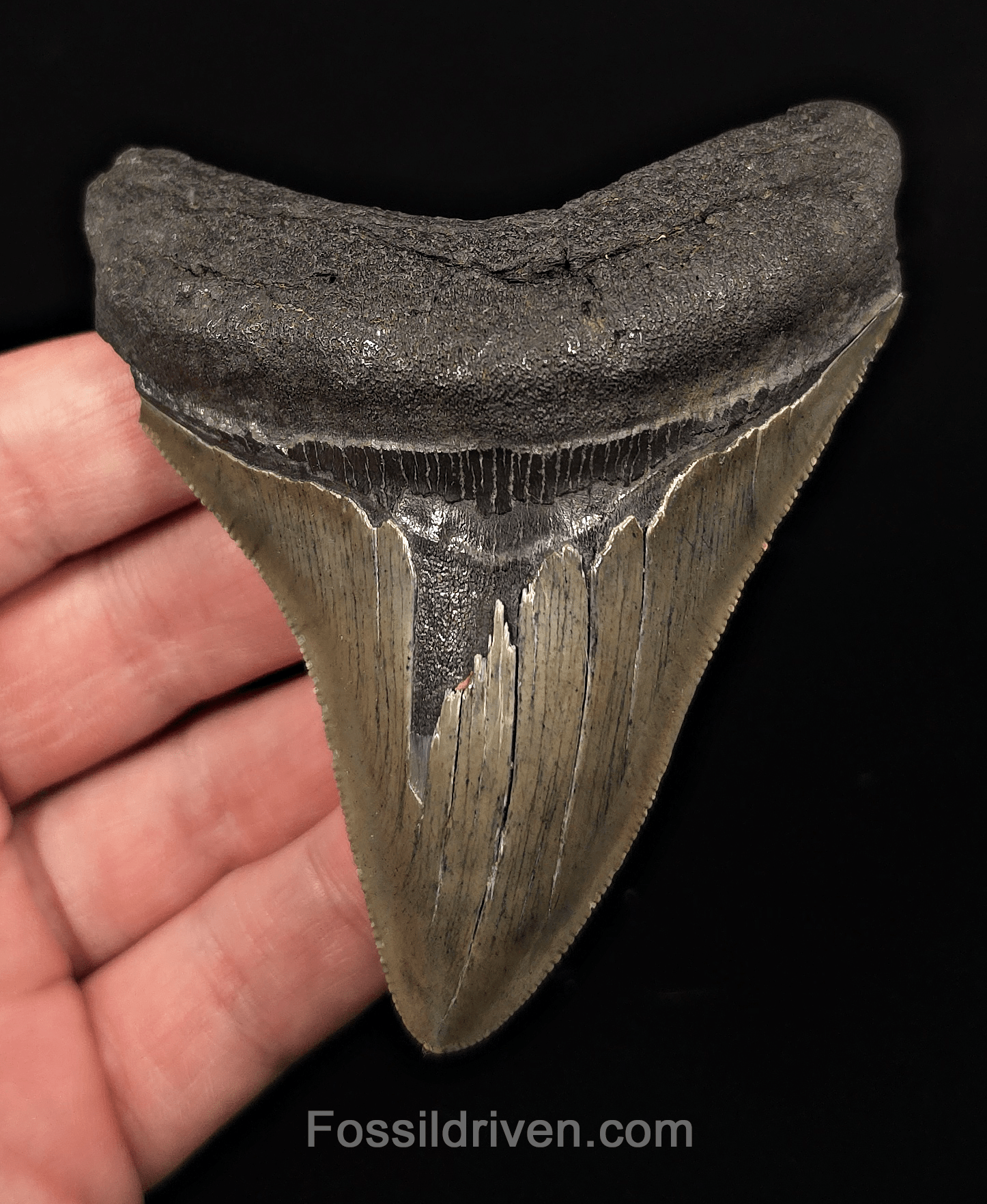
Image credit: fossildriven.com
The specimens offered by Fossil Driven have traveled through a geological process measured not in years or centuries, but in millions of years. The experience of seeing a fossil is transformed when you know the story behind it. It’s no longer just an intriguing object. You’re looking at physical evidence from an old world.
First Station: An Ancient Ocean
Think about the Megalodon teeth found in West Java, Indonesia. Around 20 million year ago warm marine habitats were widespread in the dry regions of today. Megalodon sharks inhabited those prehistoric waters as well as countless other forms of marine life.
Megalodon, like modern sharks in the present, constantly produces teeth and then loses them. Some of the teeth eventually were buried in marine sediments. In the right conditions, burial could protect them enough to allow them to fossilize.
Then, Geology took over
The next chapter unfolded incredibly slow. Sediments began to accumulate. Minerals reacted with the material that was buried. The forces of geology altered landscapes and areas that had previously submerged eventually were transformed into the land that we know today. This is why consumers immediately notice when looking at megalodon teeth for sale: genuine fossil teeth can be extremely different in color.
Indonesian specimens discovered in the West Java’s Miocene Bentang Formation tend to be tan, golden, brown blue, red or black. Some exhibit several shades on a single tooth. The minerals surrounding a specimen can influence the coloration of a specimen after a prolonged burial. Nature cannot replicate the results in mass. Each fossil has experienced the geological past.
Discovery Begins Another Chapter
A fossil that was hidden for millions of years, is finally discovered. Identification and documentation are now vital.
When collectors of megalodons search through authentic teeth that are available for sale the focus isn’t only on the appearance. The details about the location and the age of geological formation preservation, repairs, and restoration could help to explain what collectors are actually looking at.
Natural wear doesn’t erase a fossil’s story. It’s possible that a worn edge or root that isn’t properly formed, as well as the absence of a serration are all a part of the fossil’s history. The most important thing is to present the specimen accurately.
Fossil Driven has more than 13 years of experience in the field of fossil identification and collaborates with well-established suppliers and fossil hunters. As soon as possible, fossils are described and reviewed with the most relevant information.
The Fossil is likely to reach the hands of someone.
The majority of people purchase real Fossils to satisfy a variety. Some people build a carefully separated collection. Certain people prefer one striking piece that sparks discussion. Children who are interested in prehistoric animals may receive the first fossil of its kind that sparks their interest in paleontology.
Megalodons are only one of the many doors which lead to the present. Trilobites, Dinosaur molars and ammonites are among the many fossils that relive Earth’s ancient past.
The best part is knowing it’s real
A replica is able to replicate the general shape and size of a tooth from prehistory. The replica is not able recreate its history. It is not possible to reproduce its past.
It’s for this reason that authenticity is vital. You hold a fossil that has made a nearly unimaginable trip through the ages. The display case represents its latest stop.