
Retail and service landscapes are growing, and so are the tools that enable these. The current POS system is the mainstay of this change. It’s an amalgamation of hardware and sytems that go beyond cash registers, receipts, and other features that are basic. The focus is no longer on collecting money. Point of Sales Experience now is focused on operational intelligence, customer insight, and seamless integration throughout the organization.
POS Software: The Heart of the System
Point of Sale POS software functions as a command center that is able to manage basic transactions. It keeps track of inventory as it’s sold, automatically adjusts stock levels and alerts you when items are in short supply. It tracks sales and customer preferences and turns each transaction into valuable data that can help guide future purchasing and marketing strategies.
A reliable POS system’s ability for linking departments is one of the most under-appreciated features. Instead of managing payroll separately for instance, certain systems include time clock functionality which directly informs employee schedules and wage calculation. This results in a simpler workflow and less administrative stress.
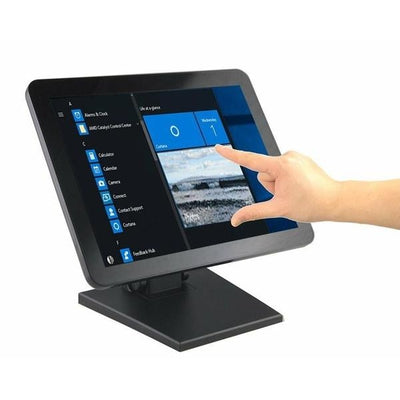
POS software today offers syncing features that are essential for businesses who have both physically located locations as well as an online presence. The products listed in store can be synchronized with online listings at any time. This helps avoid double-selling and stock mismatches. This method of unified operation is vital as shopping trends move towards hybrid purchases, in which shoppers browse online before picking up the item in-store.
Why integration is more crucial than ever
Integration is where the latest POS point of sale system truly shines. There is no need to juggling multiple tools that don’t “talk” to one another. A strong POS platform is defined by its ability to connect sales, inventory management, staff management as well as accounting.
Consider the customer experience. A quick scan at the point of purchase will show the customer’s loyalty points and apply discounts. The store will also give them an electronic receipt. On the back end, the same sale updates the revenue totals as well as the stock availability and daily reports. This allows for a more personalized shopping experience, as well as reducing errors and manual input.
This kind of knowledge can be extremely valuable to the business owner and manager. With reliable, current data constantly available, they will be able to respond faster to demand trends and adapt pricing strategies and ensure their team is staffed appropriately in peak hours.
The long-term advantages of smart Investment
There are a variety of reasons many business owners are investing in POS software. The software can provide tangible ROI. The benefits of POS technology surpass speed and accuracy. They also assist with smarter decisions and long-term business expansion. An effective Point of Sale system will allow you to streamline your business operations and detect patterns that you might have missed.
Moreover, as consumer expectations increase, a modern point of sales setup becomes an invisible but vital aspect of customer service. Customers today expect speedy checkouts, accurate updates to stock as well as flexibility in electronic payments. Companies that can meet these standards create trust and encourage repeat business.
Final Thoughts
A modern POS system is much more than a simple checkout tool it’s a bridge between your employees, your product as well as your client. The right point of sale POS software helps you understand your business on a deeper level, offering clarity in decision-making and efficiency in execution.
In today’s highly competitive industry getting ahead of the market requires staying up-to-date, agile and focused on your clients. With a clever integrated point of sale system on your side it’s not just about making sales, but you’re creating something that will last.